WTC Amsterdam x Fronteer: Why real change starts with coalitions, not heroes.
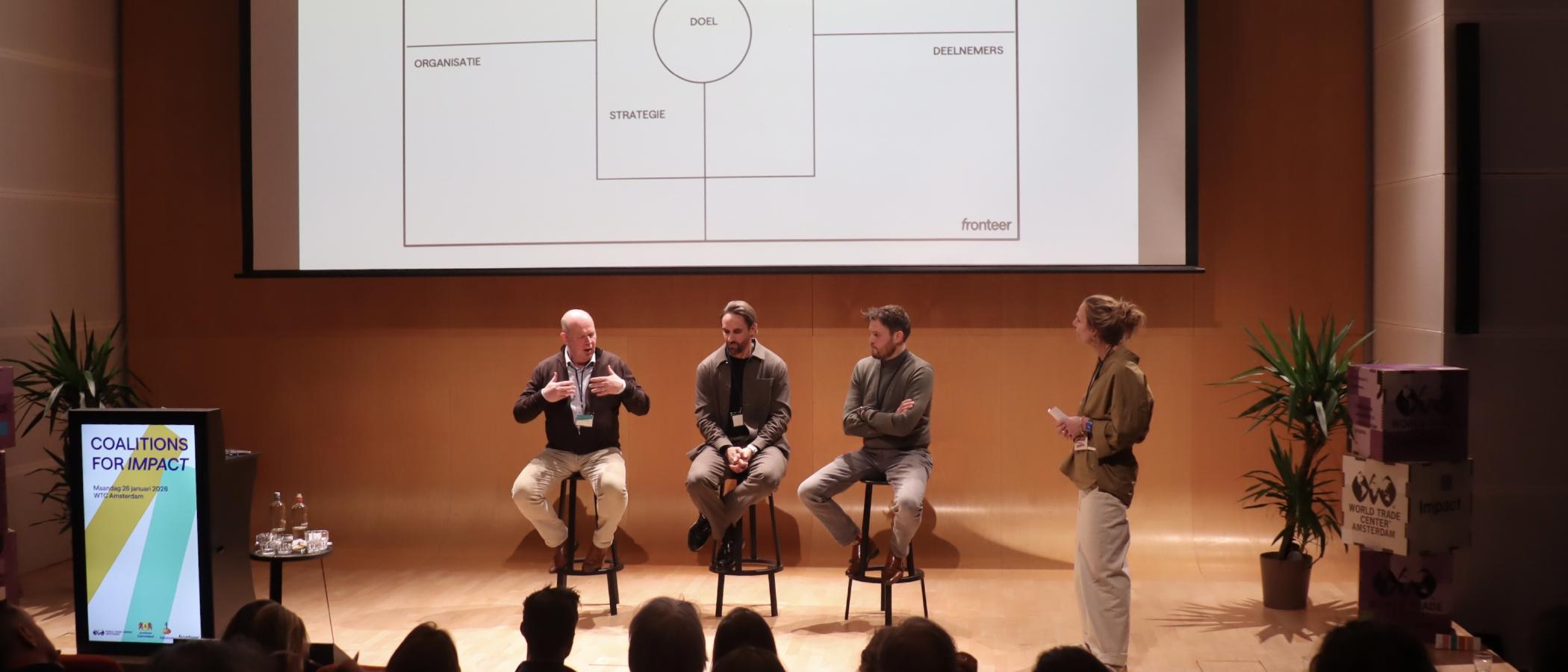
World Trade Center Amsterdam fosters connection, growth and international collaboration. As a catalyst for the new economy it welcomes new ideas and voices that shape tomorrow. Last week idealists, policymakers, businesses, and impact organisations gathered to discuss collaboration as a driver of change. No superhero stories, but coalitions fighting for the social and sustainable solutions our world so urgently needs.
The afternoon kicks off with the simple question: “Who’s already part of a coalition?” About half the room raises their hand. It is a promising start to the Coalitions for Impact day, organised by purpose-driven strategy & innovation firm Fronteer, based at WTC Amsterdam.
The event centres on a recurring theme in the world of sustainability and societal transitions: major challenges require collective action. Climate change, pollution, healthcare, food systems — no single organisation can solve these issues alone.
Seven is your number
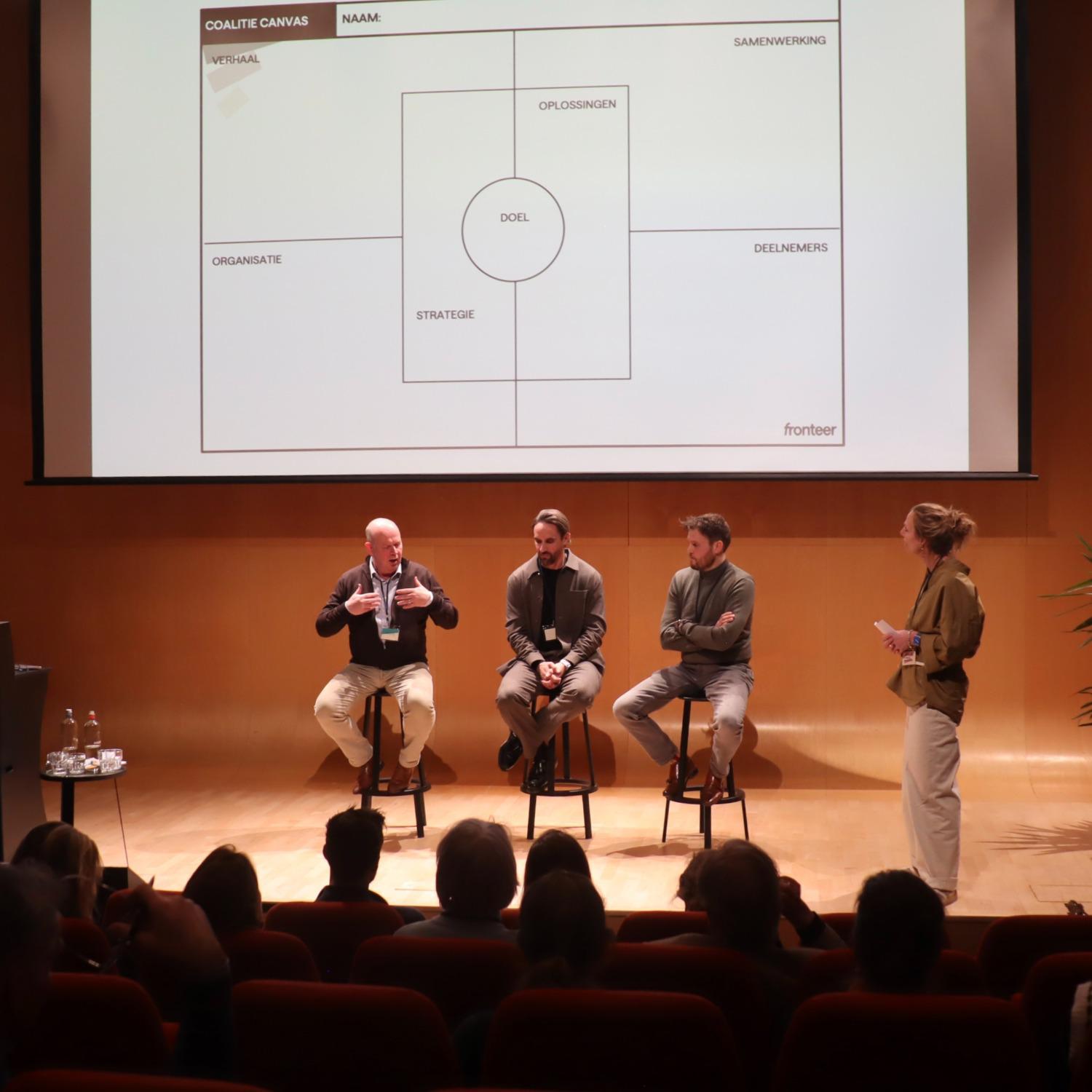
According to Lieke Schneijdenberg, keynote speaker and strategist at Fronteer, a strong coalition starts with clarity. “Seven is an important number,” she says. “Humans can’t remember more than seven things at once. And seven is also the ideal number of partners to start with.” Too large becomes unwieldy; too small lacks impact.
Where we once believed in the power of the individual hero, Schneijdenberg argues that today it is about groups. She points to contemporary films and series in which teams of characters, each with their own strengths, complement one another. “The same applies to societal change.”
The Olympic games
A coalition, as defined by Lieke, is a structured collaboration between parties with different backgrounds, united around a shared goal and formalised through agreements. Ambitious, but achievable. Large, but clearly defined. Compelling, but not overly elaborate.
“Choose a goal bigger than what you can achieve in your lifetime.”
As a historical example, Schneijdenberg points to Pierre de Coubertin, the initiator of the modern Olympic Games: a coalition of nations built around a shared ambition. The principle is old, but its relevance has never been greater.
According to Fronteer, three conditions are crucial for success:
- Motivation — the shared drive to improve the world;
- Mandate — participants must have the authority and power to make decisions on behalf of their organisations and
- Momentum — the right societal context that makes the idea land.
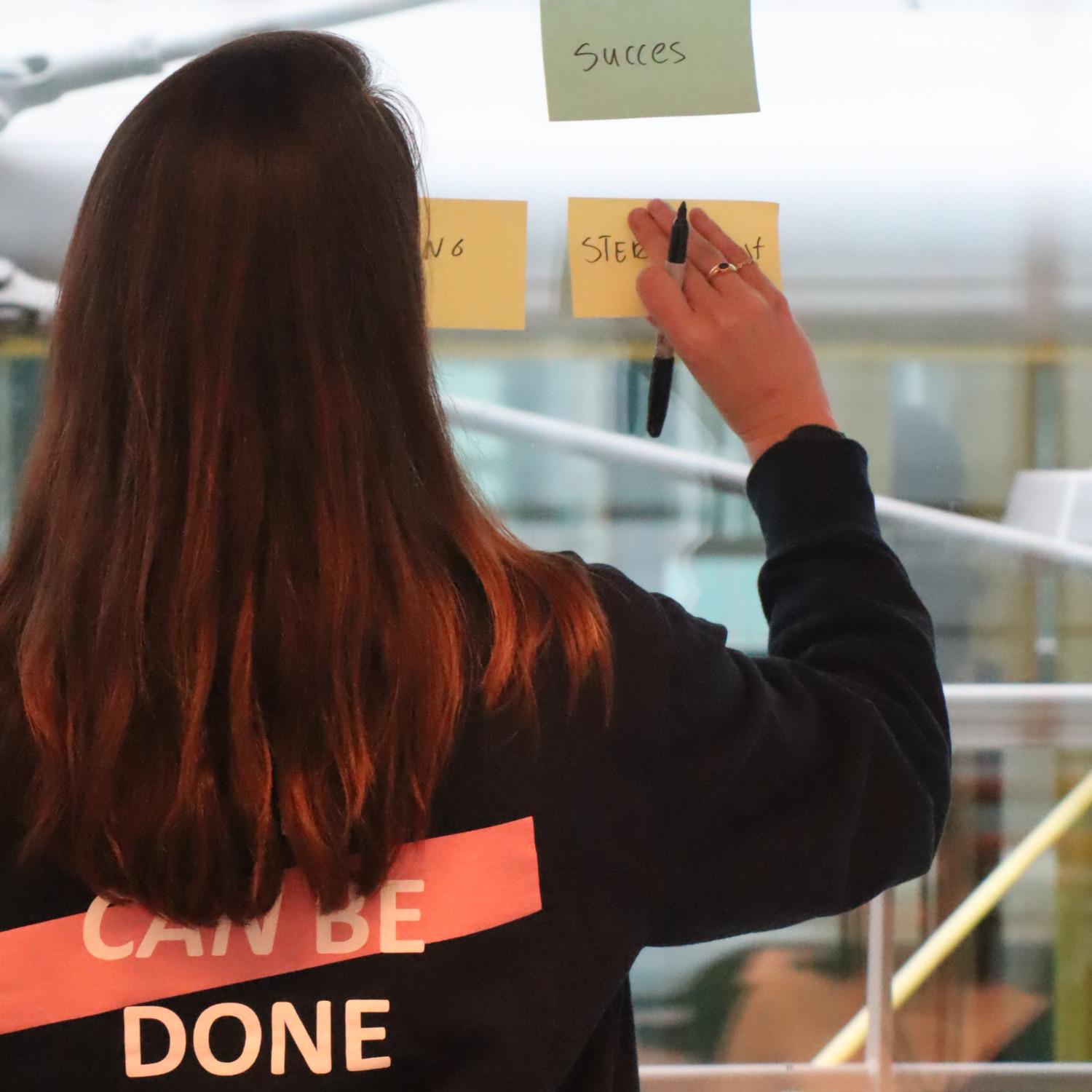
Key takeouts
The day illustrates how this theory plays out in practice. Across sectors, coalitions are being formed to change broken systems. This brings me to my first learning.
1. Coalitions are everywhere
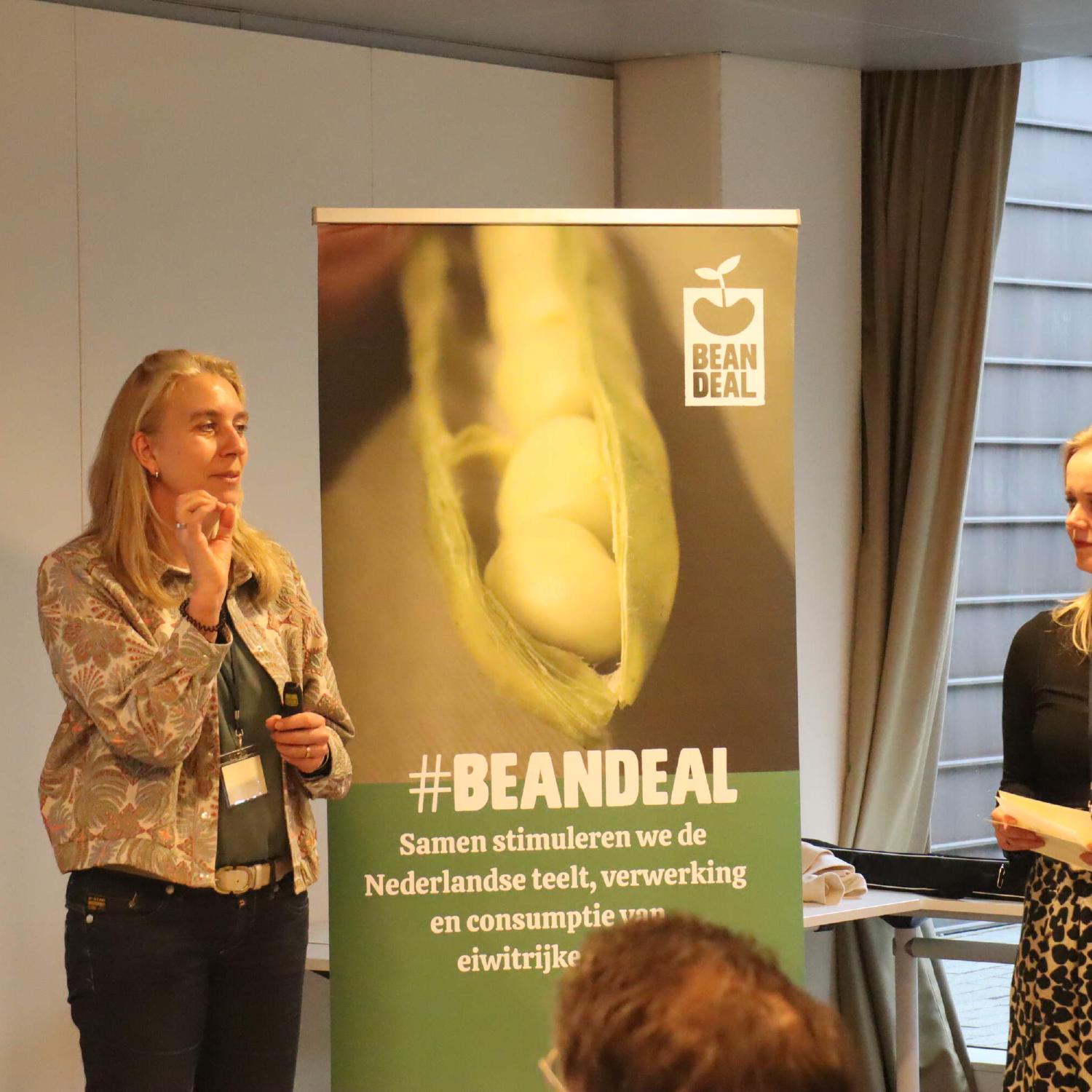
The day illustrates how this theory plays out in practice. Across sectors, coalitions are being formed to change broken systems. In construction for example, governments, developers and companies are working together to accelerate the transition to timber building. In the fashion industry, dozens of organisations are collaborating to reduce the use of harmful chemicals in clothing. In the food sector, the so-called Bean Deal brings together partners to stimulate a plant-based protein transition using locally grown crops.
2. Coalitions come bottom-up
The common thread is the shared insight that “the way things are done today has to change,” as Bob van der Zande, initiator from the coalition ‘Houtbouw Pact’, puts it “waiting for government policy is rarely the fastest route forward. Many ideas emerge bottom-up. They then need to be anchored top-down.” The message is clear. If you and your network believe in the impact of a cause, don’t sit around waiting, but go shake things up.
3. Your branding is key
Speakers also emphasised the importance of strong branding. A clear, recognisable name, such as the Bean Deal or the Denim Deal, helps attract partners and create momentum. This is reinforced by active coalition-building, ambassadorship and targeted lobbying. External pressure can further accelerate change: a well-timed campaign by Greenpeace or another advocacy group that exposes the harm of the status quo can be highly effective.
The strongest catalyst for change within companies is neither consumer pressure nor idealism, but business risk management; the potential threats to a company’s ability to operate, make money, or maintain its reputation.
500 chemicals for one black t-shirt
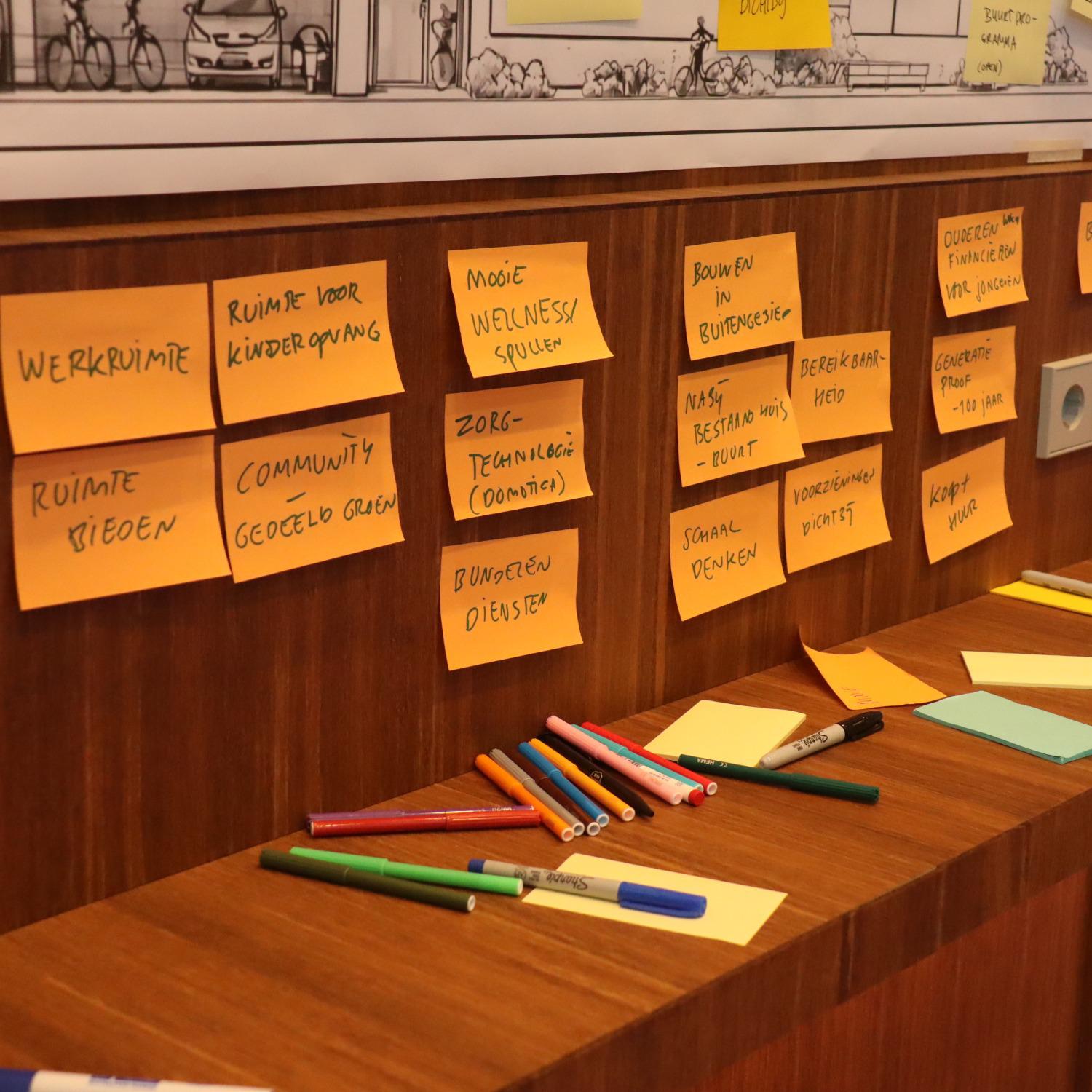
In one breakout session on chemicals in clothing, fifteen participants sit together, representing a wide range of sectors: construction, fashion, foundations and independent entrepreneurs. One participant voices a dilemma: “I receive funding from clothing brands. I want to know whether I need to take their use of chemicals into account before I can ethically say yes to their sponsor deals." This is where coalitions prove their value: decisions made in one sector ripple through many others.
“Once you see it you can’t unsee it.”
Think like fungi
The final keynote is delivered by Liesje Mommer, professor of biodiversity and below-ground ecology at Wageningen University & Research. Her lessons come from an unexpected place: the soil. Fungi, she explains, show how collaboration works. They share resources, adapt continuously and persist. “Together, adaptive, courageous,” she summarises. And above all: dare to let go of the old.
At the closing drinks, business cards are exchanged. And perhaps, for some in the room, the answer to that opening question had already changed.